Source Automatic Dtf Powder Shaker for Card, Cloth, and Label Printing
Find 30 automatic dtf powder shaker models designed for efficient dry powder application on film. Compare features like adjustable speed, heating boards, and automatic paper modes to select the right unit for your production line; compare the available evidence and request quotations based on your requirements.
Key considerations
Products List


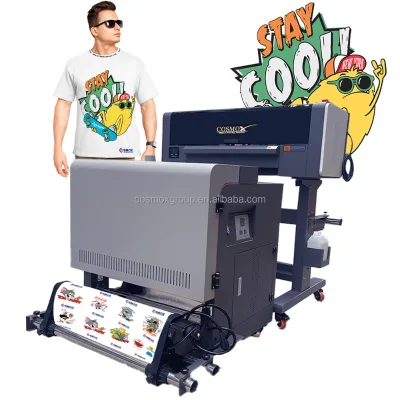
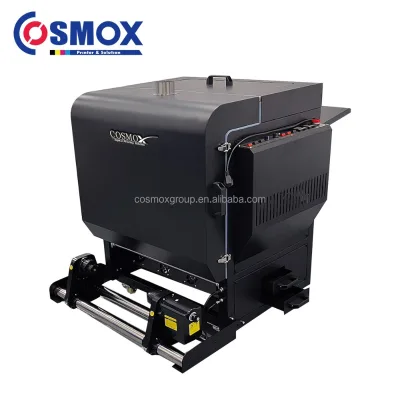


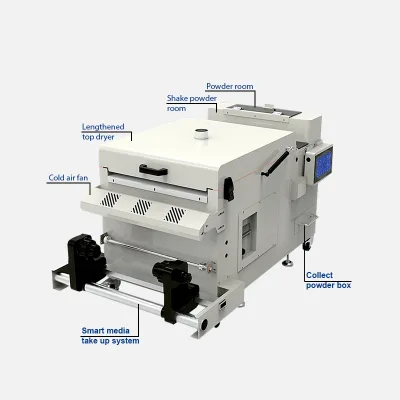


Comprehensive Sourcing Guide
Automatic DTF Powder Shaker Sourcing Guide
Buyers must first distinguish between the core shaker unit and the complete printing system, as listings often bundle the powder shaker with flat-bed cylinder presses. The observed product range includes models specifically designed for shaking powder and drying dry powder on film, with some units featuring automatic two-sided printing support. Understanding this distinction is critical because the shaker's efficiency directly impacts the final print quality and the throughput of the entire DTF production line.
Procurement decisions should also account for the specific operational mode, as some units offer automatic supply paper modes while others rely on sensor adjustments synchronized with printer speed. The observed listings indicate a variety of configurations, from simple operation models to those with advanced features like heating boards and stands. Buyers should verify whether the specific model supports the intended workflow, such as hot melt powder drying, to ensure the equipment matches the production volume and complexity of their operations.
Product Scope and Observed Listing Signals
The market presents a diverse array of powder shaker machines, ranging from compact units with A3 and A3+ film capabilities to larger industrial models capable of handling 15-inch films. Observed specifications reveal significant variation in physical dimensions, with standard sizes ranging from 74x54x77cm to 98x64x55cm, and weights fluctuating between 54kg and 95kg. These physical differences often correlate with the machine's capacity and the specific type of printing press it is designed to integrate with, such as flat-bed cylinder presses.
Buyers should carefully review the listed accessories and structural features, as some units are supplied with stands and heating boards while others may require separate procurement. The observed product names vary slightly, including terms like "Powder Shaker Machine," "Powder Shaking Machine," and specific model identifiers like LQ-2W60-003 or mks-180. This inconsistency in naming conventions suggests that buyers must rely on technical specifications rather than product titles to confirm that the machine supports the required multi-colour printing press applications and relief printing styles.
Technical Specifications to Verify
Verification of the printing interface and speed control mechanisms is essential for ensuring seamless integration with existing DTF workflows. The observed data indicates that some units utilize USB3 interfaces and feature sensor-adjustable speeds that synchronize with the printer's operation, while others offer fully adjustable speed settings. Buyers must confirm that the specific model's speed control logic aligns with their production requirements, particularly when dealing with high-productivity demands or varying film widths up to 60cm.
The material composition and core components of the machine also require rigorous scrutiny to ensure long-term reliability. Listings highlight the inclusion of critical components such as motors, pumps, PLCs, gears, and engines, which drive the automatic grade of operation. Additionally, the software compatibility with systems like Cadlink, Riprint, Photo Print, and Maintop is a key technical factor. Buyers should verify that the machine's software architecture supports their specific RIP software to prevent operational bottlenecks during the powder shaking and drying phases.
Compliance and Safety Documentation
Safety documentation regarding noise and smoke emissions is a primary concern for operators working in enclosed production environments. The observed product attributes explicitly mention "Less and Low" noise and smoke generation, which suggests a design focus on operator comfort and environmental safety. However, buyers should request specific test data or certification records that quantify these emissions to ensure compliance with local occupational health and safety regulations, rather than relying solely on marketing descriptions.
Electrical safety and voltage compatibility are equally critical, especially for international procurement where power standards vary. The observed listings specify a voltage range of 110-220v, indicating a degree of flexibility for different regional power grids. Despite this apparent range, buyers must verify the specific plug types, frequency requirements, and grounding standards for the exact model they intend to purchase. Ensuring that the machine's electrical system meets the local grid standards is necessary to prevent equipment damage and ensure safe operation.
Cost Drivers and Commercial Terms
The pricing structure for automatic DTF powder shakers is influenced by the complexity of the automation features and the inclusion of auxiliary components. The observed price range spans from 99 to 6420 USD, reflecting the difference between basic shaker units and comprehensive systems that include heating boards, stands, and advanced control interfaces. Buyers should analyze whether the higher price points correspond to tangible value additions, such as automatic two-sided printing support or enhanced productivity features, rather than simply inflated costs.
Commercial terms regarding packaging and shipping logistics also play a significant role in the total cost of ownership. The observed data indicates that units are packed in either wooden boxes or cartons, with volume weights ranging from 62kg to 95kg depending on the model. These packaging differences directly impact freight costs and handling requirements. Buyers should clarify whether the quoted price includes the specific packaging type and if the supplier provides video outgoing-inspection services to verify the condition of the goods before shipment.
Supplier Qualification and Quality Control
Supplier qualification should focus on the manufacturer's ability to provide detailed technical support and after-sales service, particularly for complex automated systems. The observed listings mention core components like motors and PLCs, which require specialized maintenance and troubleshooting. Buyers should verify the supplier's capacity to provide video outgoing-inspection services and ensure that the English language support is sufficient for clear communication regarding technical specifications and operational procedures.
Quality control processes must be validated through the supplier's documentation of their manufacturing standards and component sourcing. While the observed data lists specific model numbers and standard dimensions, buyers should request evidence of the manufacturing process, including how the automatic grade and sensor adjustments are calibrated. Ensuring that the supplier adheres to consistent quality control measures is vital to prevent issues with the heating board functionality or the powder shaking mechanism, which are critical for the final print quality.
Long-Term Procurement Checks
Long-term procurement success depends on the availability of spare parts and the durability of the core components under continuous operation. Buyers should assess the supplier's inventory of critical parts such as motors, pumps, and gears to ensure minimal downtime during maintenance cycles. The observed emphasis on features like "Head clean during/after printing" and "Keep wet system" suggests that the machine's longevity is tied to its maintenance protocols, which must be clearly defined and supported by the supplier.
Finally, buyers must establish a clear protocol for software updates and compatibility with evolving DTF inks and films. The observed software compatibility with multiple RIP systems indicates a need for ongoing technical support to ensure the machine remains compatible with new printing technologies. Establishing a long-term relationship with a supplier who can provide regular updates and support for the software and hardware integration is essential for maintaining high productivity and adapting to future market demands.
FAQs
What is the function of an automatic DTF powder shaker?
The primary function is to shake powder and dry powder on film for DTF printing processes. It ensures even distribution of hot melt powder for consistent adhesion. The device operates automatically with adjustable speed to match printer output. This simple operation supports multi-colour printing and reduces manual handling errors during production.
Can the automatic powder shaker support different film sizes?
Yes, the machine supports A3 and A3+ film sizes with a maximum width of 38cm. Some models accommodate up to 15-inch film. The automatic supply paper mode allows seamless integration with various print widths. This flexibility ensures compatibility with standard DTF workflow requirements for diverse printing tasks.
What are the core components of the automatic powder shaker?
The core components include a motor, pump, PLC, gear, and engine. These parts enable automatic operation and precise control of the shaking mechanism. The system features a heating board for powder drying and a stand for stability. This robust construction ensures reliable performance and low noise during continuous industrial use.
How is the automatic powder shaker packaged for shipping?
The machine is packaged in either a wooden box or a carton depending on the specific model. Standard dimensions vary, with some units measuring 74x54x77cm or 95x72x72cm. The packaging protects the 54kg to 95kg unit during transit. This secure packing ensures the equipment arrives safely for immediate installation and operation.
What voltage and software compatibility does the powder shaker have?
The device operates on 110-220v voltage for global electrical compatibility. It supports software such as Cadlink, Riprint, Photo Print, and Maintop for workflow integration. The USB3 interface facilitates data transfer and control. This compatibility ensures seamless connection with existing DTF printing systems and software environments.
Is customization available for the automatic DTF powder shaker?
Yes, customization is available for specific production requirements. Buyers can request adjustments to meet unique operational needs. The machine features simple operation and high productivity for efficient workflow. This flexibility allows businesses to tailor the equipment to their specific DTF printing volume and film handling preferences.